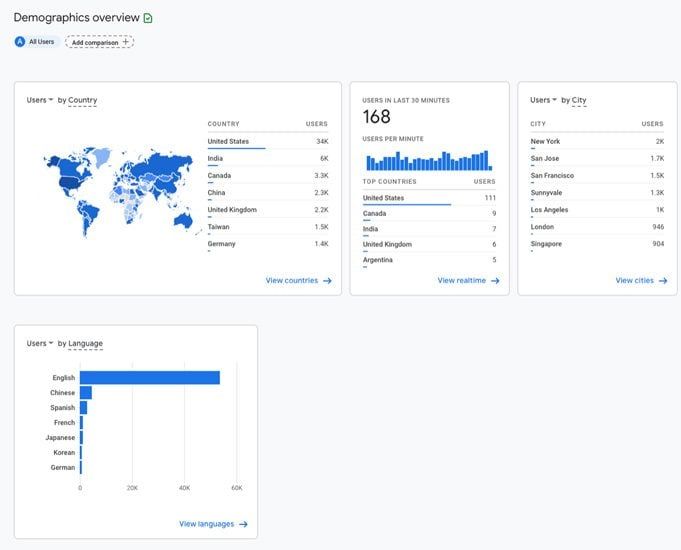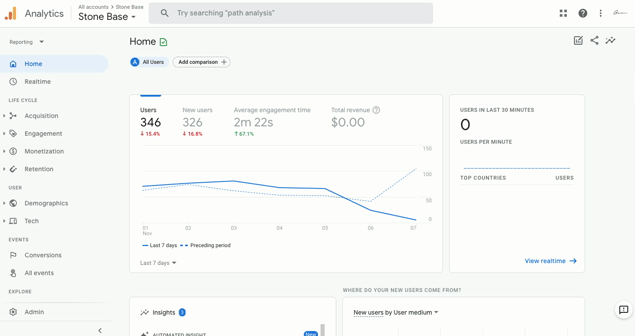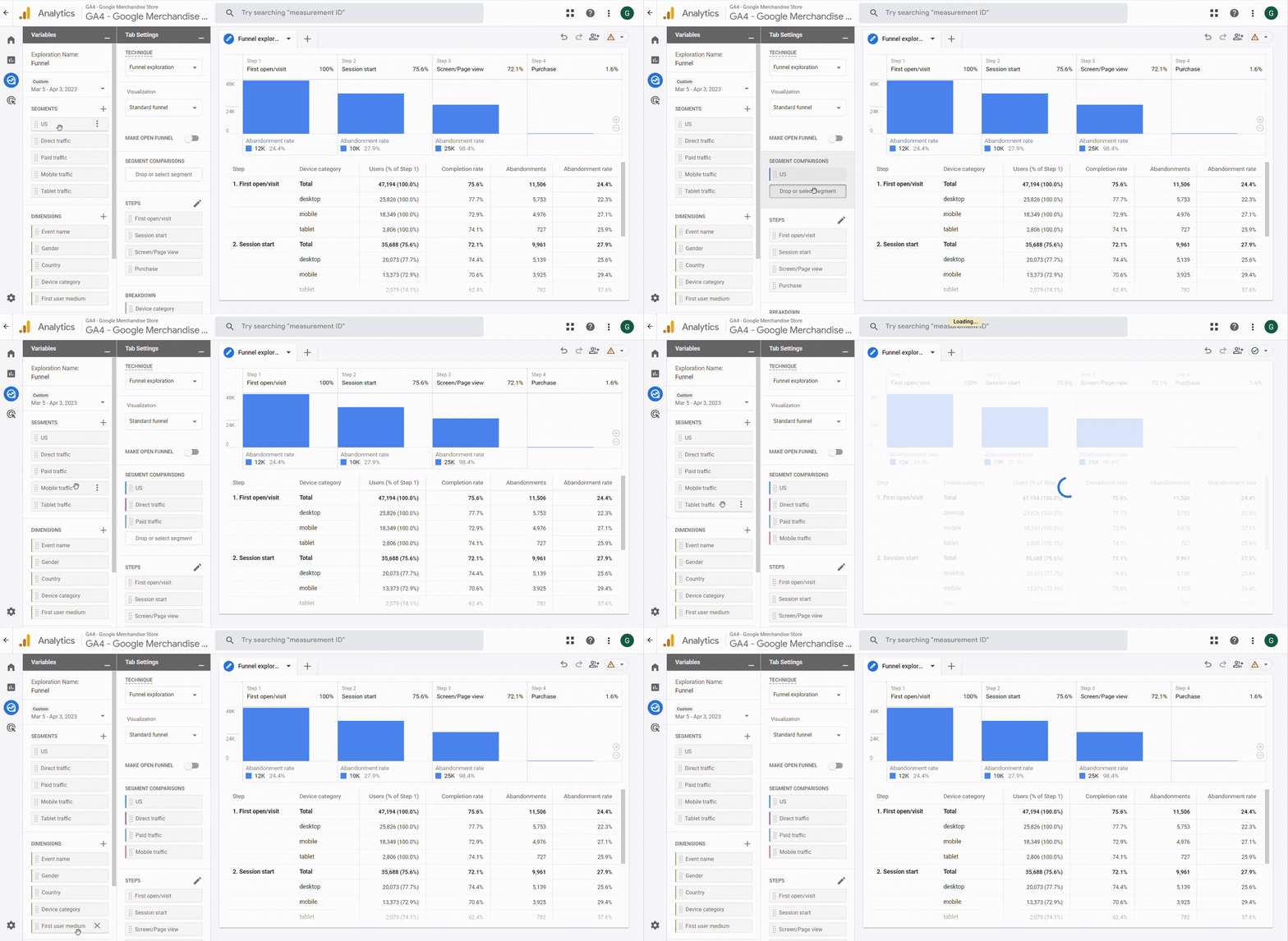

In many projects, the same traffic source looks completely different depending on where you check it. GA4 groups channels one way, while the BI system applies its own logic.
As a result, “Paid Search” revenue in GA4 might be $100K, while the BI dashboard shows $130K — and nobody knows which number to trust.
Why is this a problem?
These discrepancies come from inconsistent grouping and attribution rules:
• GA4 relies on default channel groupings unless you customize them.
• BI tools often map traffic sources based on UTM standards or custom rules.
• Attribution windows differ, splitting the same revenue across different buckets.
The outcome? Two official-looking reports that don’t align. For leadership, it undermines trust in the numbers and stalls decision-making.
Revenue attribution only works if everyone plays by the same rules. Without a unified source dictionary and consistent attribution logic, GA4 and BI will always tell different stories — leaving the business caught in the middle.
Here’s the playbook I use with clients:
• Lock in a single source dictionary and attribution canon.
• Implement reconciliation dashboards.
• Normalize data via pipelines before it hits reporting tools.
• Document the entire process so rules are clear and repeatable.
Analytics should reduce uncertainty, not create it. The moment you unify rules, the revenue story starts making sense again.
Want a stronger data analyst role or a raise? Grab the FREE Product Analyst Playbook and get the exact roadmap to your next offer.