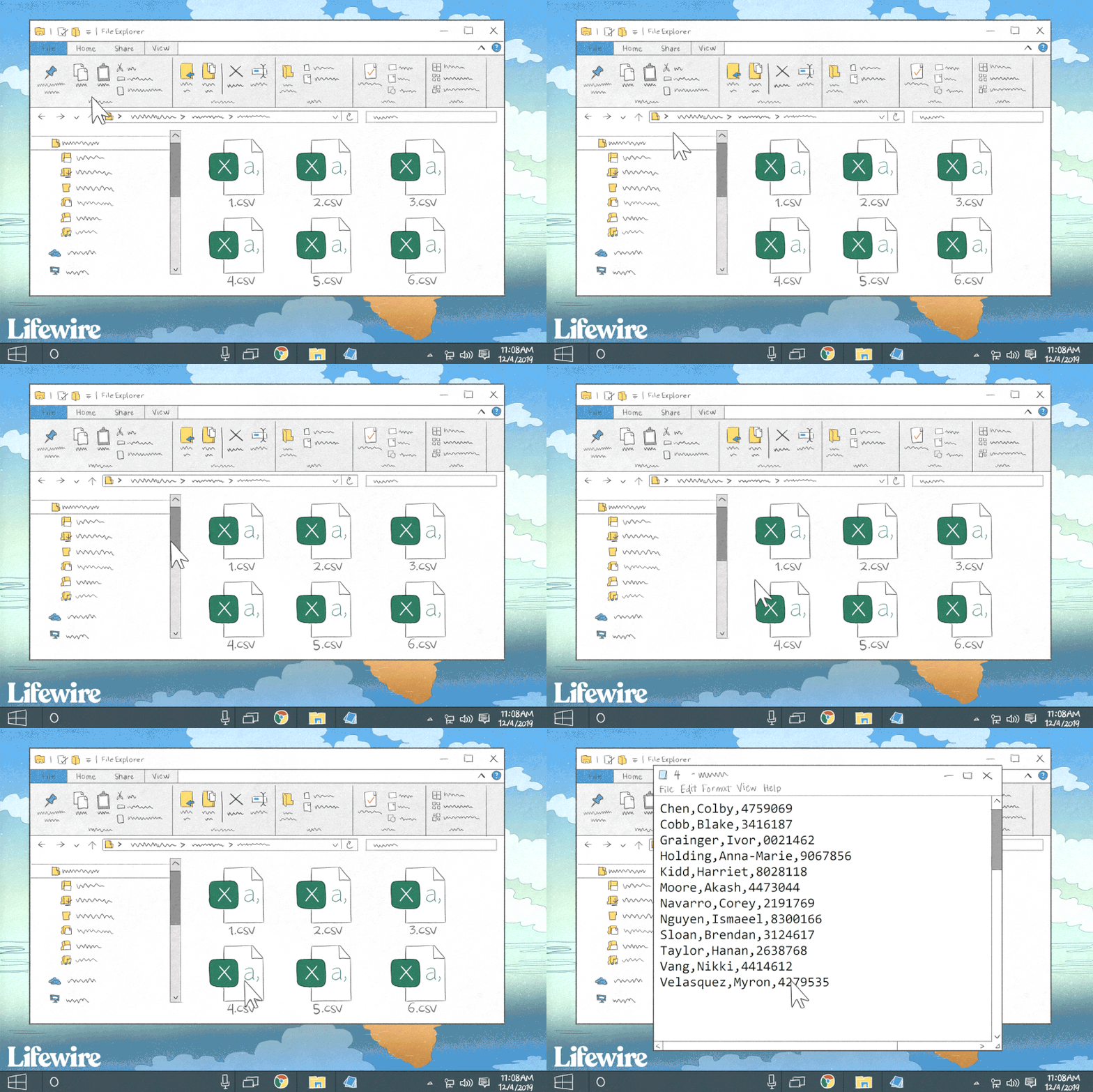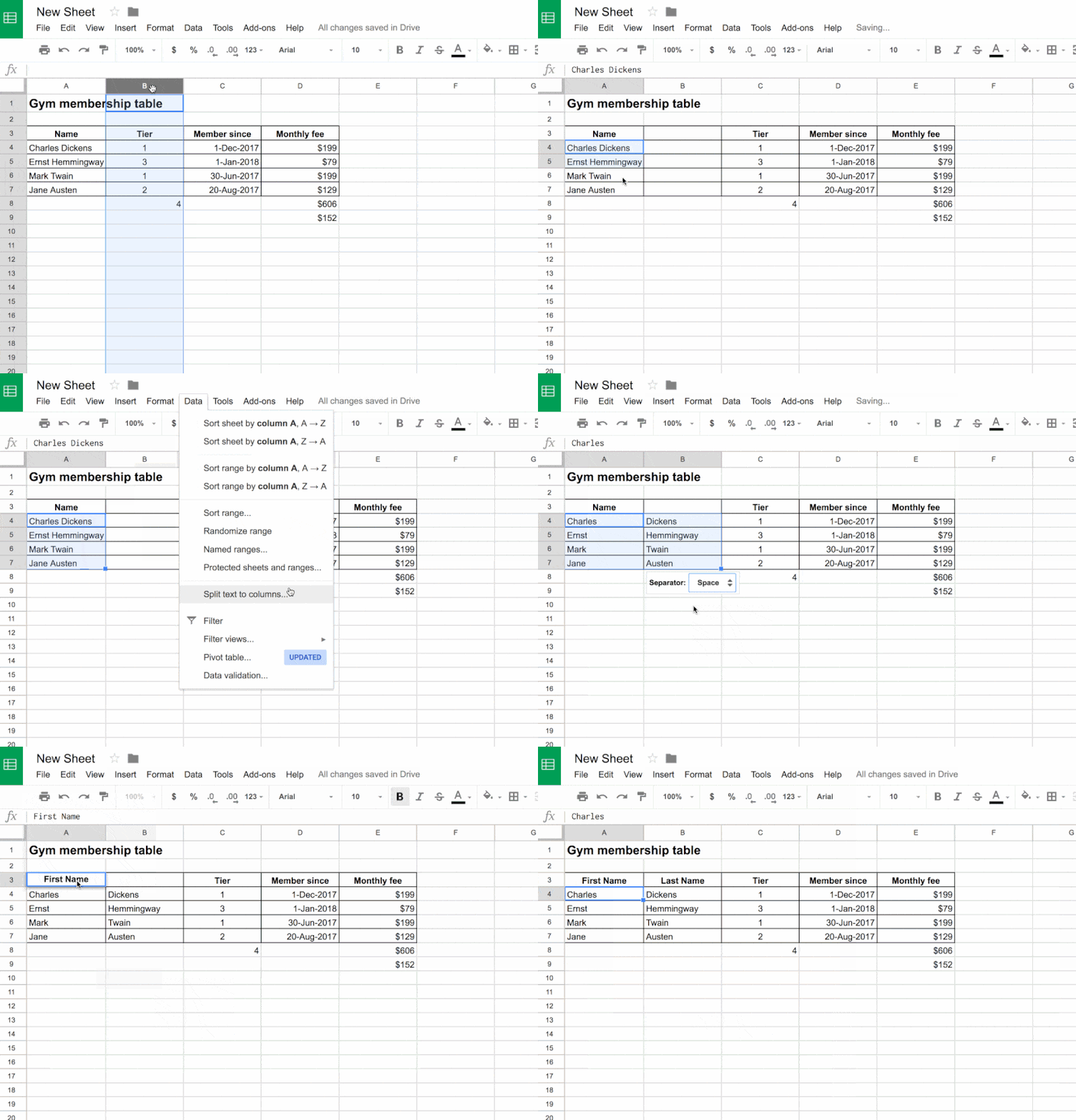

In my experience, many teams still build reports in Excel or GoogleSheets “on the fly.” Data is pulled manually from multiple systems, formulas constantly break, and updating the files takes hours. At first it feels manageable — until you realize the reporting process is running you, not the other way around.
Why is this a problem?
Manual collection inevitably creates:
• Errors and duplicates that creep into KPIs.
• Multiple versions of the same file floating around the team.
• Analytics that’s always late and never fully trusted.
I’ve seen managers debate which Excel file was the “real” one while the business was waiting on answers. At that point, it’s not analytics — it’s chaos in spreadsheet form.
What’s the real lesson?
Excel and Sheets are great tools for local analysis, quick pivots, or one-off checks. But as the backbone of analytics, they don’t scale. Without automation and a single source of truth, your data will always be out of sync and your team stuck in maintenance mode.
So how do you fix it?
The way forward isn’t more spreadsheets — it’s better infrastructure:
• Hire a relevant expert.
• Move to a centralized data warehouse.
• Build ETL/ELT pipelines for automated collection.
• Replace manual reports with interactive dashboards.
• Implement versioning and data audits.
• Train the team to work with the new system.
Analytics should empower decisions, not trap you in endless spreadsheet updates. The moment you shift to automation, you take back control.
Want a stronger data analyst role or a raise? Grab the FREE Product Analyst Playbook and get the exact roadmap to your next offer.