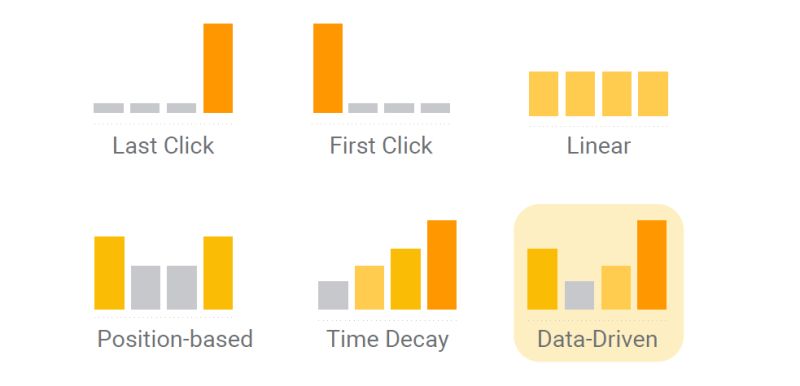

I’ve worked on projects where GA4’s attribution view looked almost flawless. Beautiful charts, neatly distributed credit, every channel positioned as a “team player.”
Then we put those same weights next to CRM revenue, and the story changed completely. Channels that GA4 treated as heroes barely moved real sales, while true revenue drivers were almost invisible.
The core issue is simple: GA4’s data-driven model optimizes inside its own universe. It:
• redistributes credit based on GA4 events only
• hides the internal rules from you
• can amplify anomalies, tracking gaps, or one-off spikes
The result is a model that may be mathematically consistent, but not necessarily aligned with how your business actually earns money.
When I review setups, I don’t start with “Which model is best?” I start with:
• What is our business logic for brand, retargeting, and direct traffic?
• How do these rules compare with CRM and BigQuery revenue?
• Where do GA4’s weights clearly contradict financial reality?
From there, we build a reconciliation view and write down the logic so it survives beyond the one analyst who created it.
Attribution is useful only when it describes your real funnel, not when you adjust the funnel to fit the model.
Want a stronger data analyst role or a raise? Grab the FREE Product Analyst Playbook and get the exact roadmap to your next offer.