
In cross-channel funnels, it’s common for a user to first interact with an ad and later respond to an email sequence. However, Meta may still take credit for the final purchase - even if email was the decisive touch.
This tends to happen when:
• A user clicks an ad earlier in the journey
• They later engage with email communications
• They purchase after the email, but Meta still attributes the sale to the ad due to attribution windows and tracking rules
Consequences:
• Meta’s performance appears inflated
• Email impact is underreported
• Budget decisions are made on incomplete data
• ROI calculations skew toward the wrong acquisition source
To fix this, you need visibility into how identifiers flow through all systems:
• Evaluate the consistency between Meta data, CRM records, and attribution settings
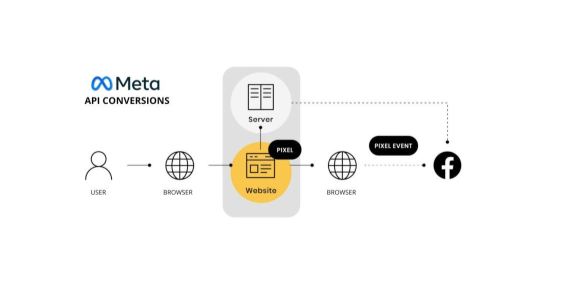
• Understand how the Conversions API stitches events
• Examine identifier priority and matching logic
• Experiment with alternative models to assess differences
Once the systems are aligned, reporting becomes clearer, and budget planning reflects what genuinely drives conversions - not just what a particular platform claims.
Disagree? Welcome to the comment section.
Want a stronger data analyst role or a raise? Grab the FREE Product Analyst Playbook and get the exact roadmap to your next offer.