
I’ve run projects where GA4’s attribution took center stage. The charts looked convincing: each channel neatly weighted, every touchpoint a “contributor.”
But once we lined those weights up against CRM revenue, the picture fell apart. Channels GA4 praised were barely driving sales, while those carrying the business showed up as afterthoughts.
What’s really going on?
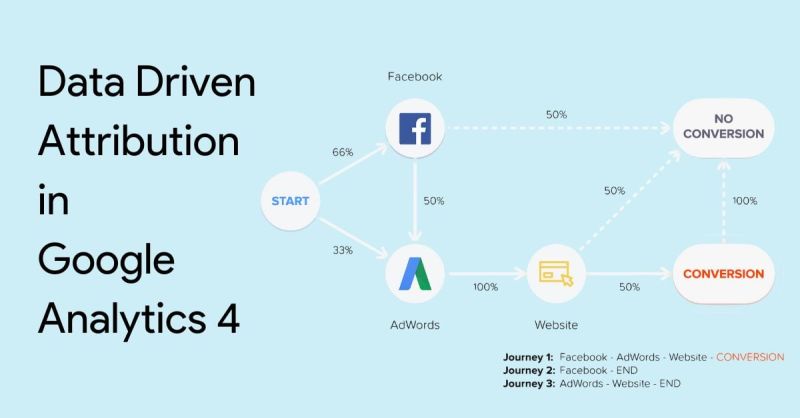
The data-driven attribution model reshuffles credit using GA4 data only:
• You have no control within this black-box logic.
• One-off clicks can be treated as “key” contributions.
• Tracking quirks and spikes turn into false evidence.
The outcome is often polished, but divorced from how money actually moves. Without custom rules, you’re trusting a black box with your budget.
The uncomfortable truth
“Data-driven” doesn’t mean “business-driven.” I’ve seen teams move spend based on GA4 weights, only to discover later that CRM numbers told the opposite story. Attribution without validation is decoration.
So what’s the fix?
When I audit setups, I always:
• Define hypotheses for custom rules (brand search, retargeting, etc.).
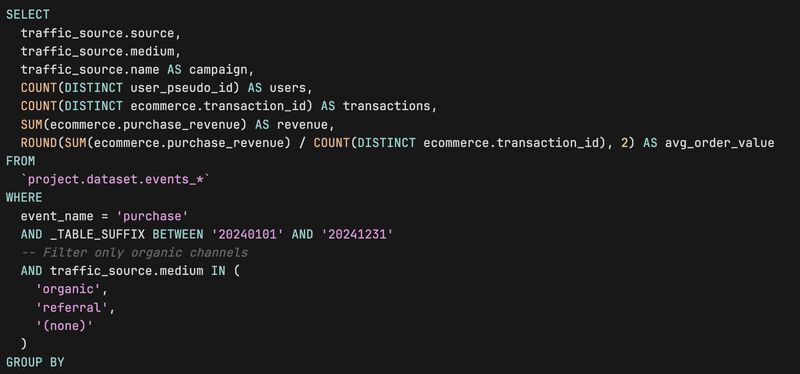
• Test results against CRM + BigQuery revenue.
• Build a reconciliation dashboard.
• Document the method so it survives beyond one analyst.
GA4 can be useful, but only if its model matches your reality — not the other way around.
Want a stronger data analyst role or a raise? Grab the FREE Product Analyst Playbook and get the exact roadmap to your next offer.