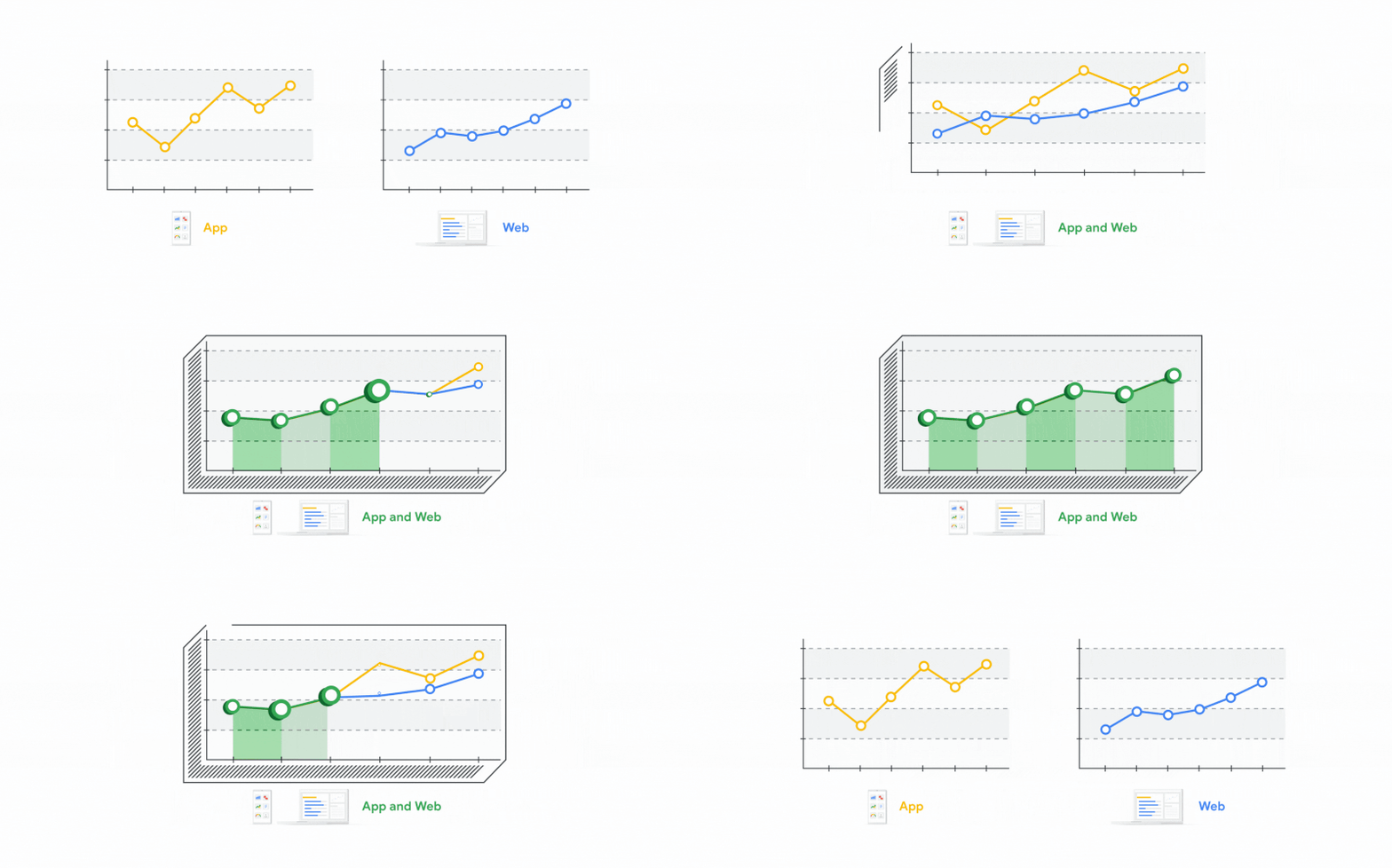

Default attribution models often simplify complex journeys into a single “winner.” That may be convenient, but it rarely reflects how customers actually convert. Last-click, for example, routinely directs too much credit to brand searches and too little to the channels that introduced a user in the first place.
Why defaults fall short:
• They minimize the impact of early-stage acquisition tactics
• Assisted clicks and multi-step sequences receive little or no recognition
• Budget planning ends up guided by distorted numbers
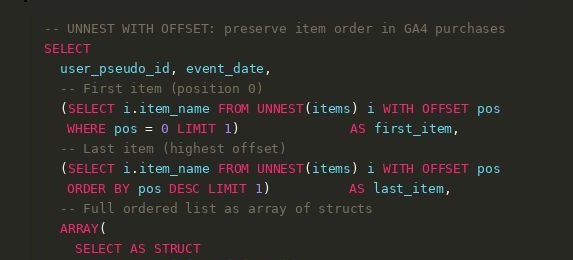
Creating your own logic in SQL solves this:
• You can assign weights to each touchpoint across the journey
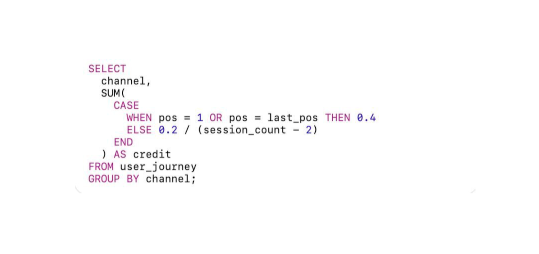
• You can choose between linear, position-based, or time-decay models
• You have full transparency into how credit is distributed
Initial steps:
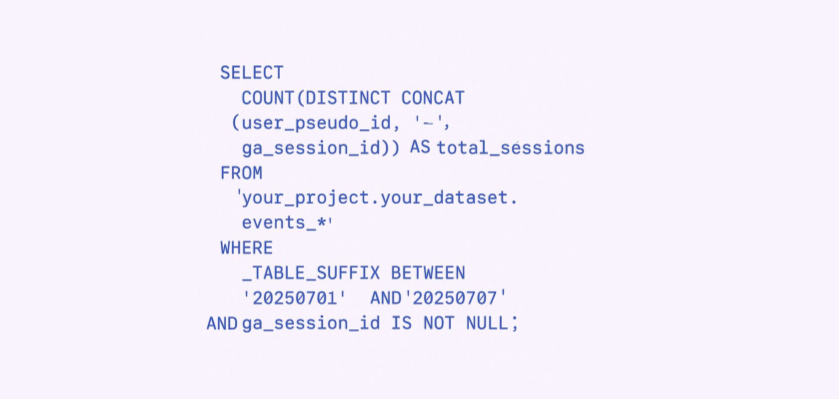
• Pull user journeys with timestamps from BigQuery
• Define your weighting system
• Distribute conversion value proportionally across touchpoints
• Summarize results at the channel level
Once you see how differently credit is allocated with a tailored model, you’ll understand why last-click attribution often misleads teams into underinvesting in channels that actually drive demand.
Want a stronger data analyst role or a raise? Grab the FREE Product Analyst Playbook and get the exact roadmap to your next offer.