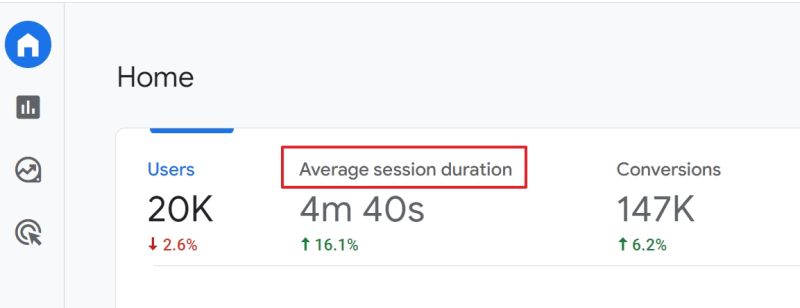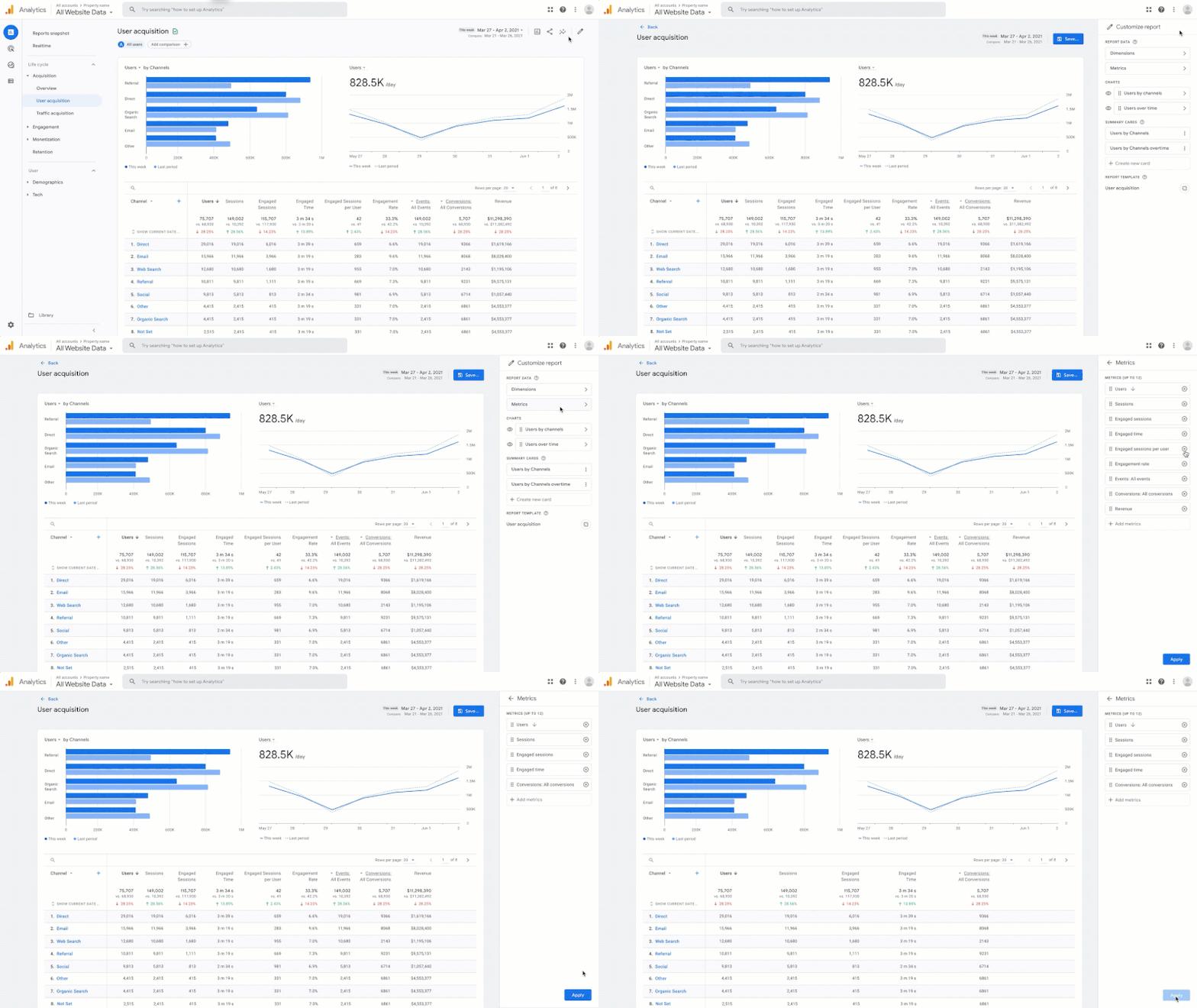

In one case, a client proudly pointed to GA4: the average session duration was around five minutes. The conclusion was quick: “People are deeply engaged, we just need a bit more UI polish.”
But when we dug into the data, many of these “long sessions” were simply open tabs. No scrolls, no clicks, no meaningful activity. The timer was running; the user was not.
GA4 relies on technical rules, not true attention:
• duration is inferred from time between events, not from whether someone is actually present;
• a long gap can still be counted as part of the same session until the standard timeout is hit;
• engagement signals can fire with minimal interaction.
This leads to comfortable, but misleading narratives. Teams redesign pages that are already fine, invest in cosmetic updates, and celebrate “higher engagement” that has no impact on revenue.
These days I treat session duration as a secondary metric and focus on:
• time to first meaningful action
• scroll depth and key interaction events
• events per session and engagement time based on real behaviors
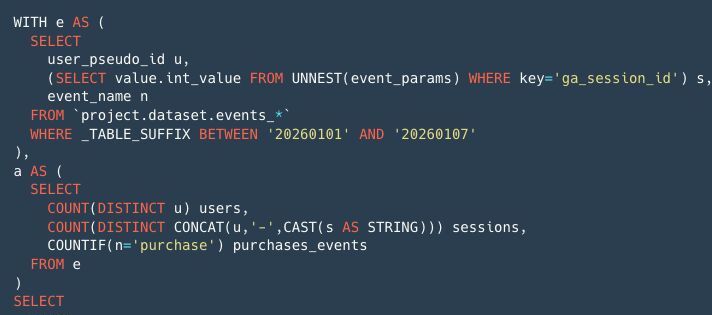
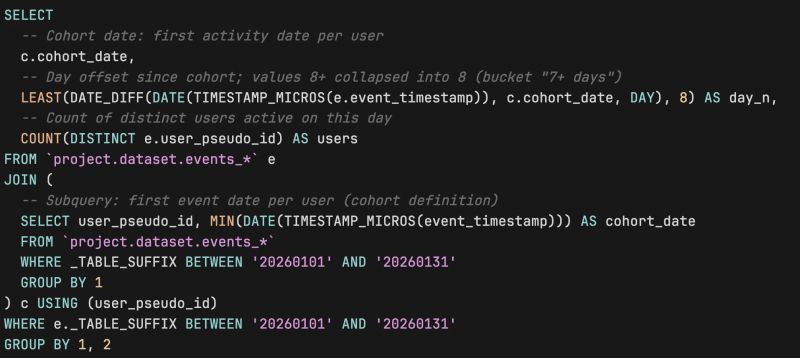
For high-value traffic, I also spot-check individual sessions in BigQuery to see what “long” actually means in terms of events.
Session time is not how long a user cared. It is how long the tracking logic assumes they stayed.
Want a stronger data analyst role or a raise? Grab the FREE Product Analyst Playbook and get the exact roadmap to your next offer.