
Why does the choice of time field feel like a small detail?
In GA4, every event has a timestamp, but many analysts pull event_date (e.g. 20240215) instead of event_timestamp. I did the same — until funnels and retention started contradicting reality.
What happens when you rely on event_date?
You lose order and precision. Event_date is just the calendar day in the report timezone. Event_timestamp is UTC (microseconds). If you mix them or use only event_date:
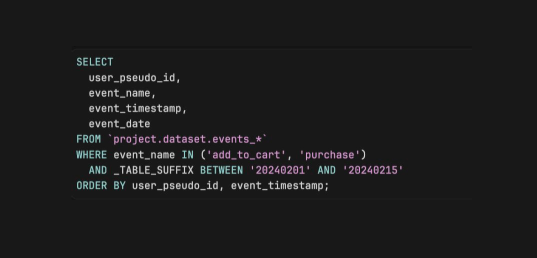
1. add_to_cart can appear “after” purchase when both fall on the same date
2. session length and sequences get wrong
3. retention and “time to X” metrics become unreliable
The business sees “users behave weirdly”. In fact, we measured time with the wrong field.
Which time field are you actually using?
GA4 exports give you both. If you build funnels, retention, or any “order of events” logic on event_date, your metric is a lottery. The worst part: the numbers can still look fine in a chart.
What I do:
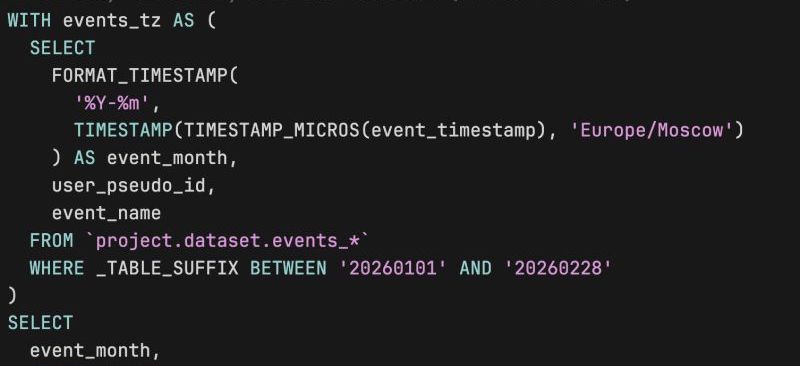
1. Use event_timestamp (UTC) as the single source of truth for order and timing
2. One time field per calculation, no mixing with event_date
3. Check event order on a sample before trusting the metric
Want a stronger data analyst role or a raise? Grab the FREE Product Analyst Playbook and get the exact roadmap to your next offer.